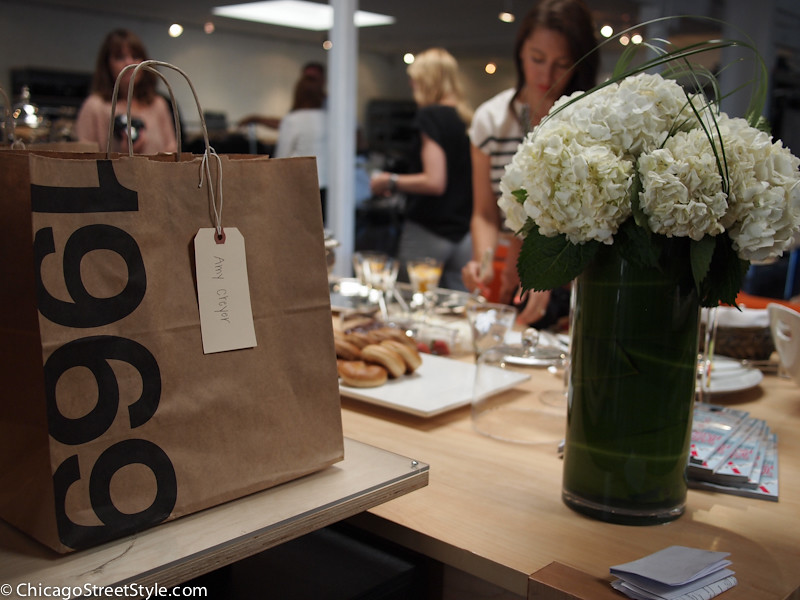
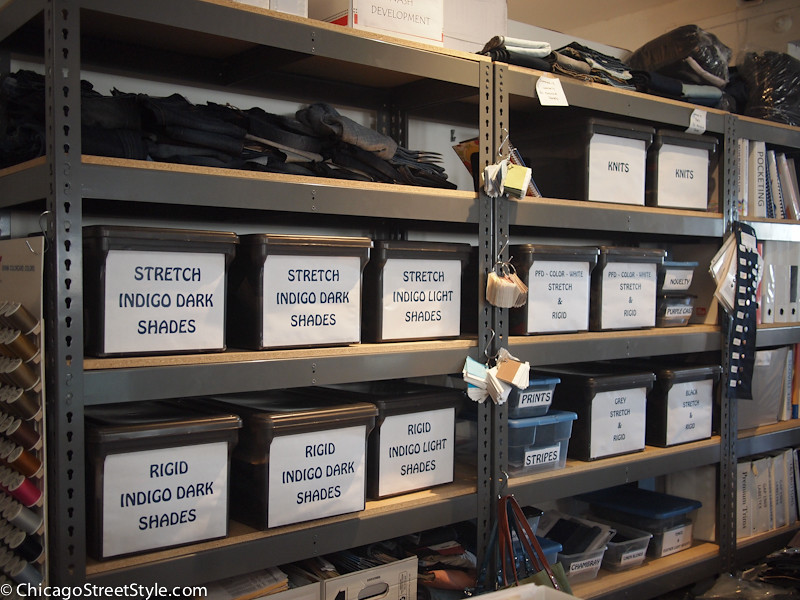
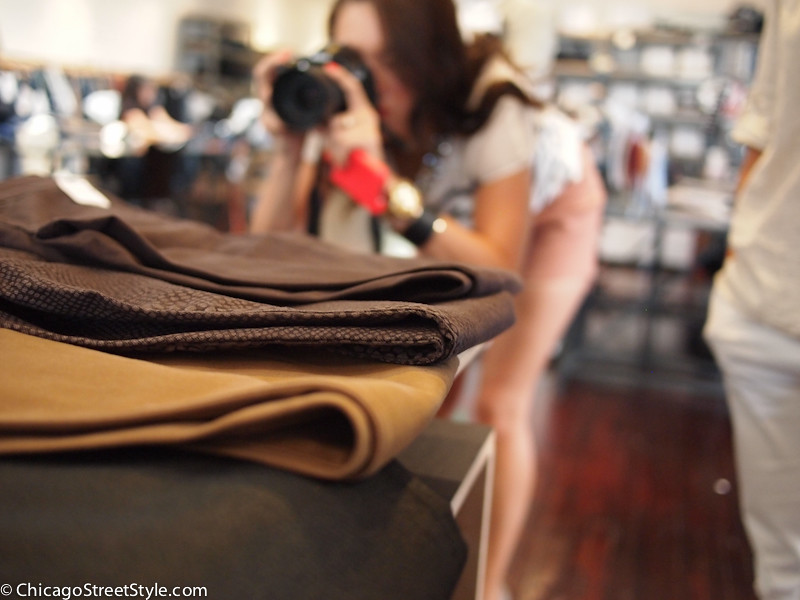
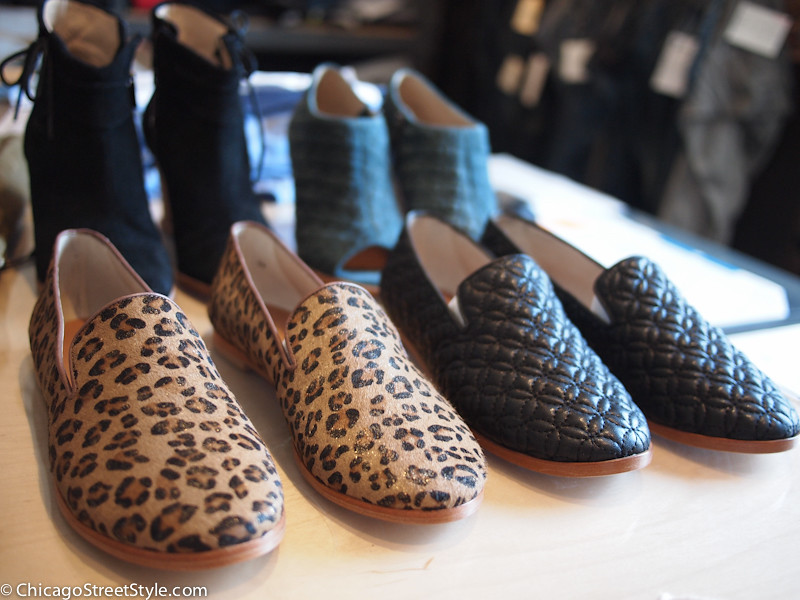
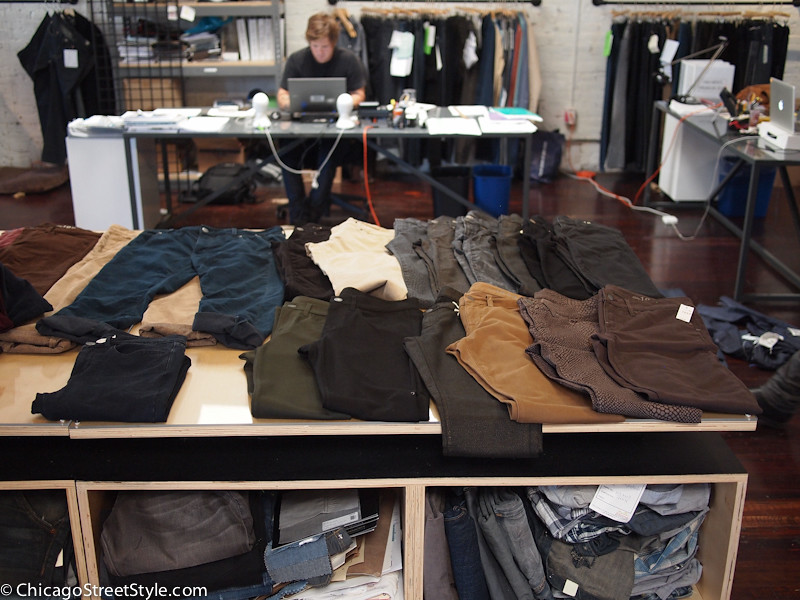
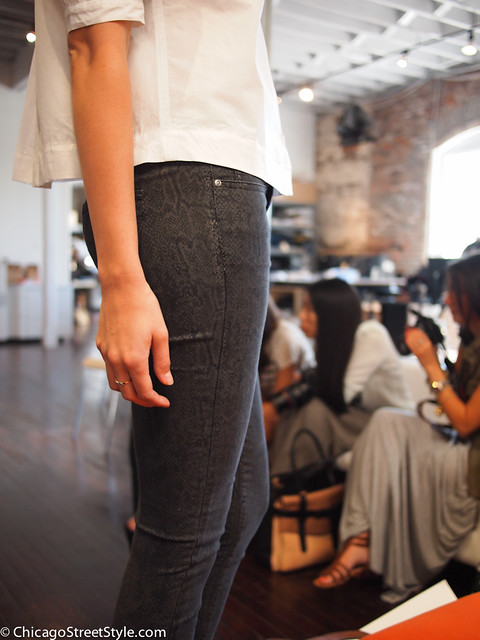
I was honored to be invited to tour Pico Creative Loft, the new Gap 1969 design headquarters in Los Angeles. 1969 is Gap’s premium denim lifestyle line. 1969 sources its denim from the exact same factories as Current/Elliott and other designer denim brands. Gap is powerful enough to leverage its massive spending power into more affordable price points than its competitors. I had no idea that 1969 existed before this collaboration, and now I’m really excited about the concept. The truth is that not everyone can afford to purchase $240 jeans, but most people can save up for a pair of $70 jeans. Gap is making premium denim democratic.
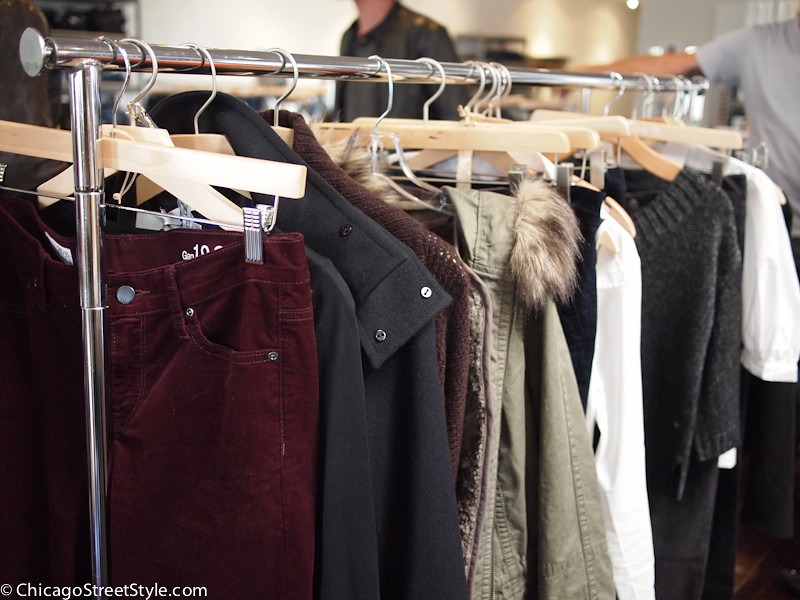
Everyone who I saw at the studio had incredibly cool style. Everyone from punks to surfers, artists and hipsters was represented on the design team. More people had multicolored hair than not – and we all know from my blog how much I love it when people dye their hair crazy colors! This experience definitely made me take a second look at the Gap, a brand I wore heavily in high school. I’m excited to wear my new 1969 bordeaux corduroys and green stretch jeans once fall weather hits!
To read more about my recent trip, click here to visit my post about Vogue’s Fall 2011 trend presentation.
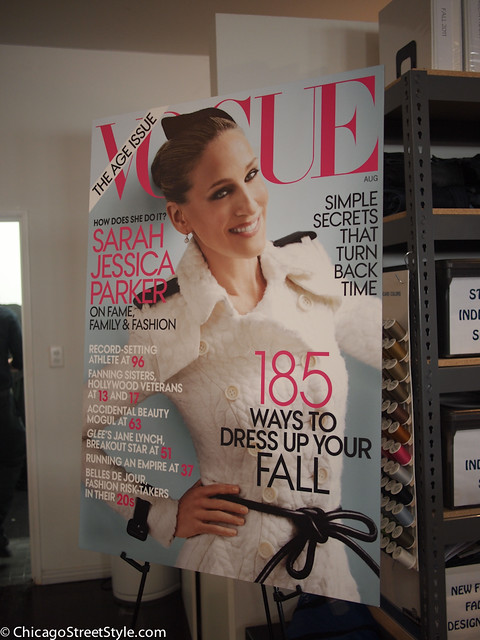
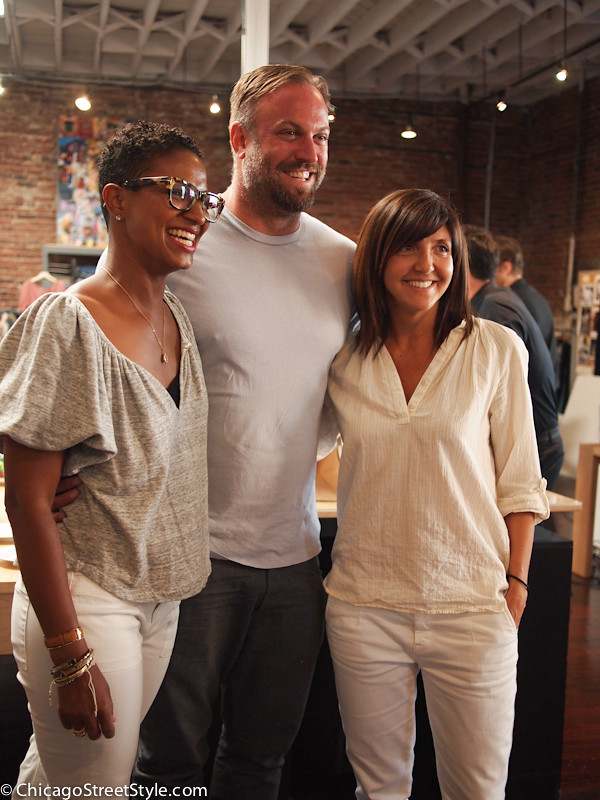
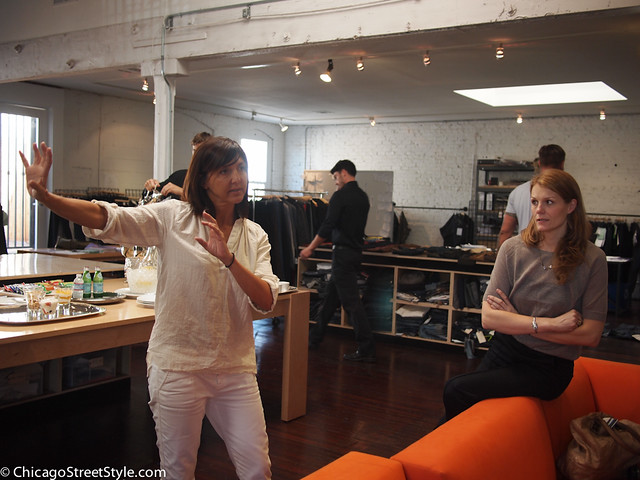
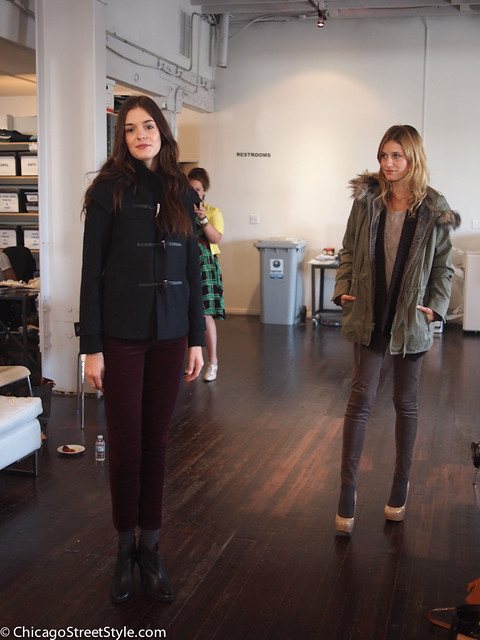
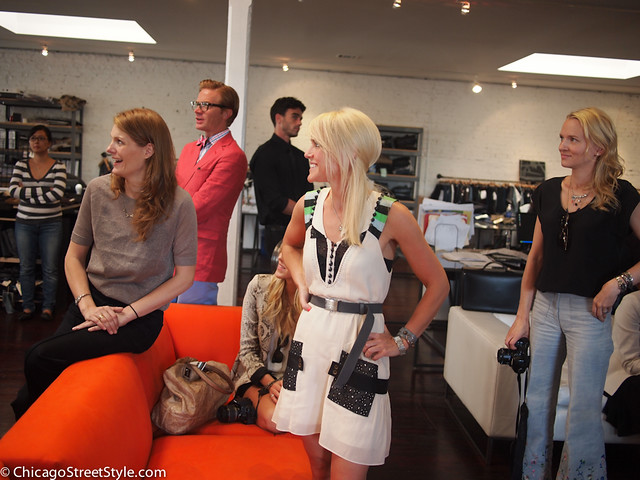
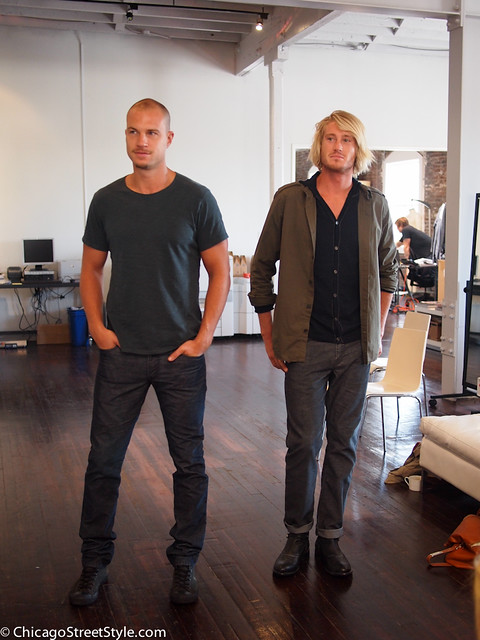
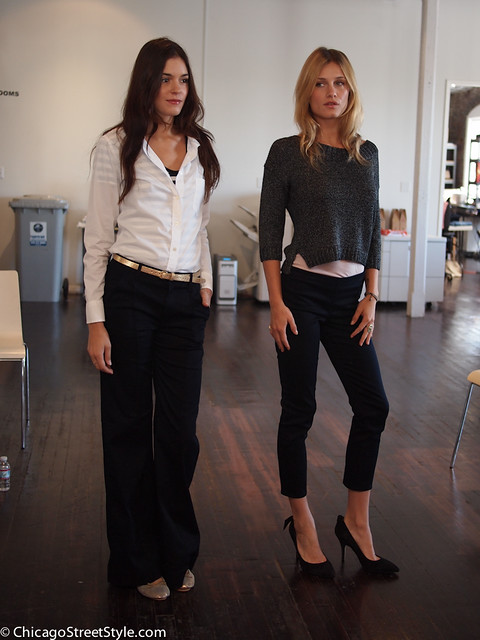
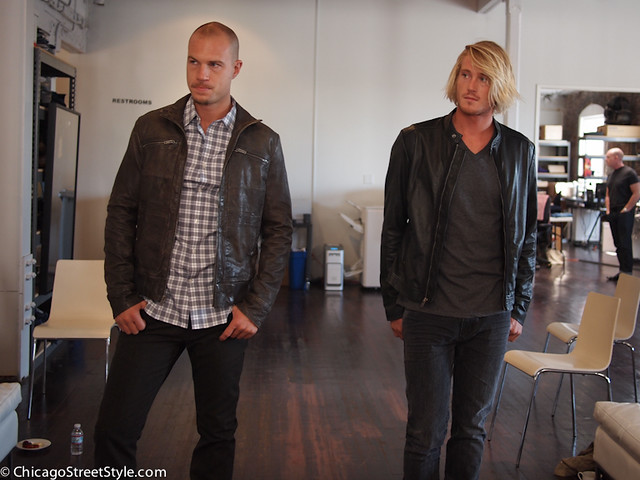
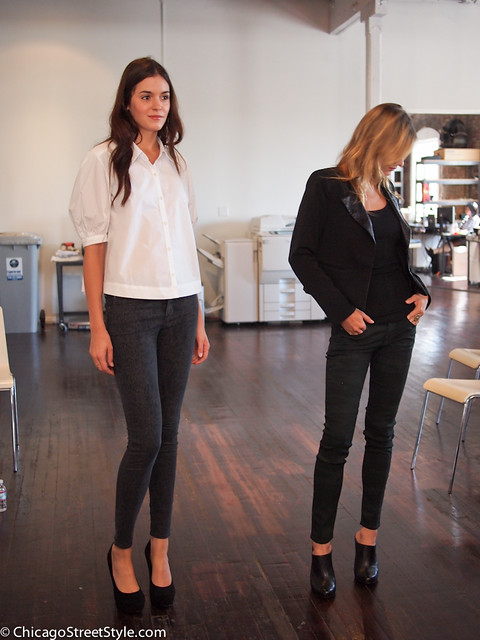
Last Wednesday I was privileged to attend a fall trend presentation at Gap’s 1969 design studio, known as the Pico Creative Loft. The event was a collaboration between Vogue and the Gap, with the aim of bringing together the most influential bloggers from New York, Chicago, and Los Angeles for an exclusive sneak peek at the new design studio. Less than 15 people were invited, which made for an intimate setting in which we each had a chance to chat with creative director Rosella Giuliani and menswear director Jason Ferro. Vogue director Anne Vincent narrated the modeling presentation, which was centered around Fall 2011 trends.
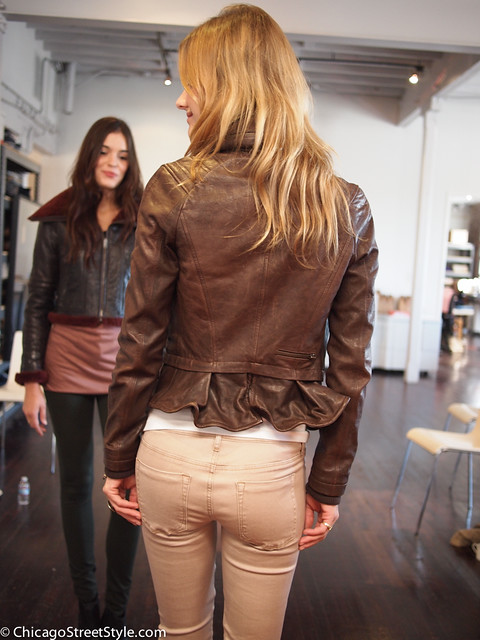
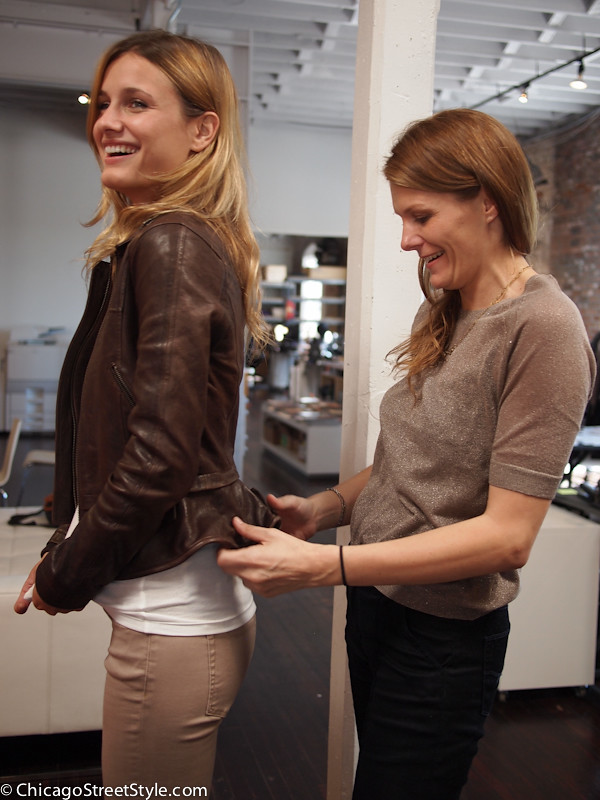
This leather bomber jacket for women features this amazing wire ruffle, which allows women to add flair or keep it flat, depending on their mood. I love when clothing has the ability to change shape. It’s like conceptual fashion for the mainstream American.